
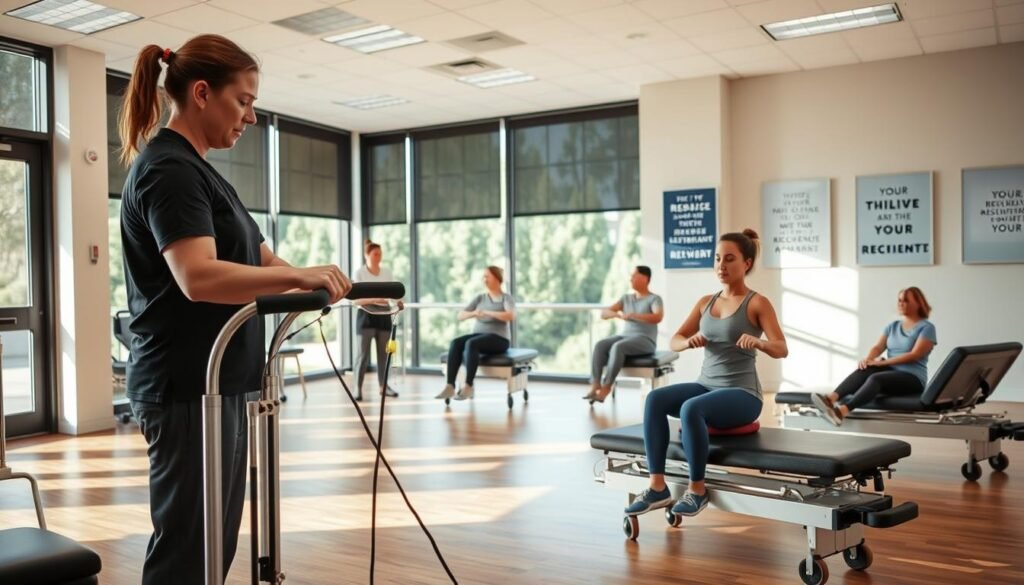
Imagine waking up after surgery, feeling the weight of recovery ahead. You know that the journey to regain your strength starts now. Post-Surgery Rehabilitation HK is not just a routine; it is a vital part of your healing process. You will encounter clinical indicators that help shape your rehabilitation plan. Understanding these indicators is crucial for your recovery.
In Hong Kong, physical therapy plays a significant role in post-operative recovery HK. The early assessment of pain levels, range of motion, and muscle strength will guide your rehabilitation journey. Each clinical indicator you encounter serves as a tool to tailor your therapy in the context of Post-surgery rehabilitation HK. This personalized approach will empower you to engage actively in your recovery, ensuring you communicate effectively with your rehabilitation center in Hong Kong, which is essential for successful Post-surgery rehabilitation HK.
Key Takeaways
- Post-Surgery Rehabilitation HK is essential for optimal recovery.
- Understanding clinical indicators helps tailor your rehabilitation.
- Early assessment of pain, motion, and strength is crucial.
- Active participation enhances your recovery experience.
- Effective communication with your rehabilitation center is key.
What Are the Key Clinical Indicators in Post-Surgery Rehabilitation HK?
In Post-Surgery Rehabilitation HK, clinical indicators play a vital role in tracking your recovery. These indicators help healthcare professionals assess your progress and adjust treatment plans. Understanding these key elements can enhance your rehabilitation experience and outcomes.
How is Pain Level Assessed?
Assessing your pain level is crucial for effective post-surgical care HK. Your feedback helps therapists determine the right intensity for therapy sessions. Pain management strategies can then be tailored to your needs, ensuring comfort during rehabilitation.
How Do Range of Motion Measurements Impact Rehabilitation?
Range of motion measurements are essential in evaluating joint flexibility. This assessment provides insight into your mobility and can prevent stiffness. Improved range of motion is vital for regaining normal function, which is a key goal in surgical rehabilitation services.
What Role Does Strength Testing Play in Recovery?
Strength testing is another important clinical indicator. It evaluates your muscle power, which is necessary for daily activities. Understanding your strength levels allows therapists to create a personalized recovery plan in Post-Surgery Rehabilitation HK. This approach supports your journey towards functional independence.
These clinical indicators—pain assessment, range of motion, and strength testing—are fundamental in guiding your rehabilitation. They ensure that each phase of your recovery is safe and effective, ultimately helping you return to your daily life with confidence.
How Does Post-Surgery Rehabilitation HK Evaluate Psychological Readiness?
Your psychological readiness plays a crucial role in the success of Post-Surgery Rehabilitation HK. It can significantly impact your recovery outcomes. Rehabilitation specialists focus on various psychological factors to ensure you are prepared for recovery therapy Hong Kong. Understanding these factors can help you navigate your rehabilitation journey more effectively.
What Psychological Factors Are Considered?
Several psychological factors are assessed during your rehabilitation process. These include:
- Mental resilience
- Anxiety levels
- Fear avoidance
- Willingness to engage in therapy
Addressing these factors is essential for effective physiotherapy after surgery Hong Kong. Acknowledging your mental state can enhance your commitment to recovery.
How Does Motivation Affect Your Recovery Journey?
Your motivation is a key driver in your recovery journey. Active participation in prescribed exercises can lead to faster healing and improved functional restoration. The more motivated you are, the more likely you will adhere to your rehabilitation plan.
Why Is Emotional Support Important in Rehabilitation?
Emotional support from healthcare providers, family, and friends is vital during your rehabilitation. This support helps you cope with the challenges of post-surgical care HK. A strong support system fosters a positive environment, encouraging you to engage fully in your recovery therapy Hong Kong.
In summary, evaluating psychological readiness is an integral part of your Post-Surgery Rehabilitation HK. By understanding the psychological factors, harnessing motivation, and seeking emotional support, you can enhance your recovery experience.
When Can You Safely Resume High-Intensity Training After Post-Surgery Rehabilitation HK?
Resuming high-intensity training after Post-Surgery Rehabilitation HK requires careful consideration of your recovery progress. Before you can engage in demanding physical activities, it is essential to achieve specific physical milestones. These include managing pain levels, regaining a sufficient range of motion, and restoring muscle strength. Each of these factors plays a crucial role in ensuring your body is ready for the challenges of intense workouts.
What Physical Milestones Must Be Achieved First?
To safely return to high-intensity training, you must first demonstrate controlled pain levels. This means that any discomfort should be manageable and not interfere with your daily activities. Additionally, you need to have a full range of motion in the affected areas. Strength recovery is equally important, as your muscles must be capable of handling the demands of rigorous exercise. Rehabilitation centers in Hong Kong can help you track these milestones effectively.
How Do Individual Health Factors Influence Timing?
Your individual health factors significantly influence when you can resume high-intensity training. Age, pre-existing conditions, and the complexity of your surgery all play a role in your recovery timeline. Younger individuals may recover more quickly, while those with comorbidities might need more time. It is essential to communicate openly with your rehabilitation team to understand how these factors affect your unique recovery journey.
What Guidance Does Rehabilitation Provide for High-Intensity Activities?
Rehabilitation centers in Hong Kong offer tailored guidance for safely returning to high-intensity activities. Your rehabilitation team will provide a personalized plan that aligns with your recovery milestones and health profile. By following their expert recommendations, you can ensure a smooth transition back to your training routine while minimizing the risk of setbacks. Prioritizing safety during this phase is crucial for long-term success in your post-surgical care HK journey.